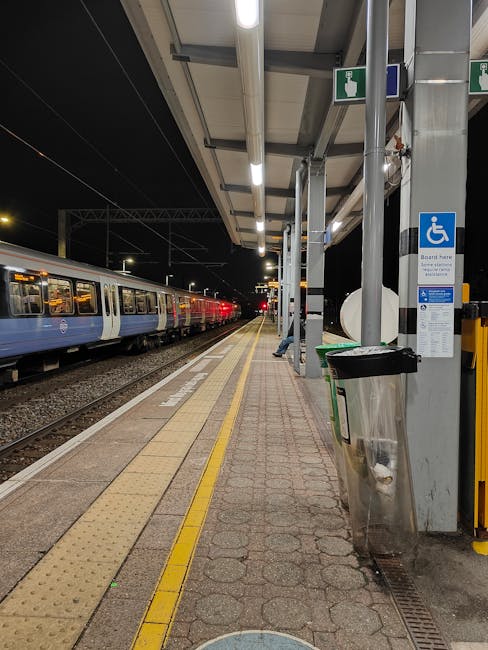
Sudbury Station access tips for garden clearance jobs
If you are planning a garden clearance near Sudbury Station, the work can be straightforward or awkward very quickly, depending on access. Narrow roads, busy arrival times, limited parking, awkward loading points, and shared residential entrances all have a habit of turning a simple clearance into a logistics job. That is why Sudbury Station access tips for garden clearance jobs matter: they help you move waste, tools, and bulky green material efficiently without causing delays, stress, or avoidable damage.
In practice, good access planning saves time, reduces labour, and makes the whole job feel calmer. You will notice the difference on the day. No last-minute scrambling for a parking spot. No blocked pathway. No carrying hedge cuttings the long way round because the van could not get close enough. Below, I will walk through what good access planning looks like, how to do it properly, and the small details that make a surprisingly big difference.
Expert summary: The best garden clearance jobs near Sudbury Station are not just about cutting and loading. They are about planning the route, checking vehicle access, protecting surfaces, confirming waste handling, and keeping the job moving with as little friction as possible.
Table of Contents
- Why access planning matters near Sudbury Station
- How garden clearance access planning works
- Key benefits and practical advantages
- Who this is for and when it makes sense
- Step-by-step guidance
- Expert tips for better results
- Common mistakes to avoid
- Tools, resources and recommendations
- Law, compliance, standards, and best practice
- Options, methods, and comparison table
- Case study or real-world example
- Practical checklist
- Conclusion
- Frequently asked questions
Why Sudbury Station access tips for garden clearance jobs Matters
Garden clearance sounds simple on paper: remove waste, tidy the space, and leave it clean. But near a station, access can be the main event. What looks like a short carry from the front gate may turn into several trips through tight access, across shared driveways, or around parked vehicles. That eats time. It also increases the chance of scuffed walls, damaged lawns, or strained backs. Nobody wants that.
The station area brings a particular kind of pressure because people come and go at predictable times, and the roads around transport hubs tend to feel busier than you expect. Even if the clearance itself is in a quiet garden, the access route may not be quiet at all. Deliveries, commuters, residents, and taxis can all affect how easily a van can park or unload.
This matters for both homeowners and professional gardeners. If you are arranging a one-off clearance, access determines whether the team can finish in a single visit or needs extra time. If you are managing ongoing maintenance, good access planning reduces disruption every time the team returns. It also helps when you are combining services such as garden maintenance, hedge trimming, or lawn mowing alongside a clearance. Once the access is sorted, everything else runs more smoothly.
Practical truth: the closer the van can get to the work area, the faster and safer the clearance usually becomes. Simple, but true.
How Sudbury Station access tips for garden clearance jobs Works
Access planning is basically a small operations exercise. You look at the route from the road to the garden, then break it into manageable questions: Where can the vehicle stop? How far is the carrying distance? Are there stairs, narrow side passages, low branches, steep slopes, or weak paving? Can waste be loaded without blocking neighbours or pedestrians? These are the practical questions that decide how the day will go.
For a standard clearance, the process often starts before anyone arrives on site. A good contractor or organiser will usually want a few details in advance: photos of the entrance, the side access, the gate width, the amount of waste, and whether there is any off-street parking. That may sound a bit much, but honestly, it saves a lot of hassle later. A garden full of bramble, branches, old timber, and broken pots looks very different from a driveway full of neat bagged material.
When the team arrives, the route should be checked again in person. Small things change on the day: a neighbour might leave a car in the usual stopping spot, bins might be out, or rain may make a path slippery. The team then decides whether to wheelbarrow, carry by hand, use sacks, or stage waste in a safe loading point. If there is tree waste or heavier debris, that can affect the sequence too, which is one reason some jobs benefit from linking clearance with tree lopping and removal or even broader landscaping work.
In other words, access planning is not a single step. It is a chain of small decisions, each one making the next part easier or harder. Bit by bit, the job either flows or it fights back.
Key Benefits and Practical Advantages
Good access planning near Sudbury Station gives you more than convenience. It improves the entire shape of the job.
- Faster completion: shorter carry distances and smarter unloading mean less time spent moving material back and forth.
- Lower labour effort: the team spends less energy on transport and more on the actual clearance.
- Reduced risk of damage: careful access protects gates, fences, paving, lawns, and communal areas.
- Less disruption: neighbours, passers-by, and station-area traffic are affected less when loading is planned well.
- Cleaner finish: rubbish, green waste, and cut material can be separated and removed in a tidier way.
- Better pricing accuracy: when access is known in advance, quotes tend to be more realistic.
There is also a softer benefit that people often forget: confidence. When the access is clear, you do not spend the day wondering whether the van will fit or whether the team will have to drag everything through the house. That peace of mind matters. Especially if the garden is already a bit overwhelming, which, to be fair, is often why clearance is needed in the first place.
For commercial comparison and service planning, it can help to review the broader services overview and the company's approach to pricing and quotes. Access often affects both the method and the cost structure, even when the work itself is fairly routine.
Who This Is For and When It Makes Sense
This advice is useful for a few different people. Homeowners near the station, landlords with rental gardens, letting agents arranging end-of-tenancy tidy-ups, and property managers coordinating external works will all run into access questions sooner or later. If the garden backs onto an alley, sits behind a terrace, or shares space with a communal entrance, the issue becomes even more relevant.
It also makes sense if the clearance is part of a larger project. For example, you might be clearing overgrowth before new decking services are installed, or tidying a garden before structural planting through landscape gardening. In those situations, access planning is not just about taking waste away. It is also about making sure the next trade or garden phase can begin without delay.
If you are dealing with a very overgrown garden, or one where access has become partially blocked by shrubs and self-seeded growth, a clearance can feel a bit daunting. That is normal. Sometimes the first job is simply creating a path to do the real job. One narrow path. One cleared turning point. That can change everything.
Step-by-Step Guidance
Here is a practical way to handle access for a garden clearance near Sudbury Station.
- Map the route from road to garden. Walk the likely path as if you were carrying a heavy sack or a bundle of cuttings. Look for tight corners, low walls, steps, and uneven surfaces.
- Measure key pinch points. Gate widths, side passages, and doorway clearances matter more than people think. A few centimetres can decide whether a wheelbarrow fits comfortably.
- Check parking and stopping space. Can a van stop close enough to the entrance without blocking traffic or neighbours? If not, how far is the carry?
- Identify what is being removed. Green waste, soil, broken planters, timber, and general clutter all behave differently. Heavy or awkward items may need separate handling.
- Prepare the garden before the team arrives. Move cars, unlock gates, clear small personal items, and make access obvious. If the site is dark or the visit starts early, leave visibility as good as possible.
- Protect surfaces. On wet days especially, mats, boards, or careful foot placement can help protect lawns and paving. Mud happens. It just does.
- Agree the loading point. Decide where waste will be stacked temporarily so it does not block the path or create a mess for neighbours.
- Confirm recycling or disposal expectations. If you want green waste separated from mixed rubbish, say so early. It is much easier before the load is built up.
- Keep communication simple on the day. A quick check-in at the start saves a lot of guessing later.
If the garden includes heavier pruning, hedge reduction, or trees that are partly obstructing the route, it may be worth tying the clearance into a single coordinated visit that also covers hedge trimming or tree lopping and removal. That way the access work is done once, not twice.
Expert Tips for Better Results
Here are the little things that usually make a big difference. Not glamorous, but useful.
- Photograph access in daylight. A photo taken at 10am tells you more than a vague memory from last month. Evening shadows can hide awkward slopes or obstacles.
- Leave gates and routes obvious. If there are two possible entrances, point to the one you want used. Sounds obvious, but you would be surprised.
- Think about turning space, not just width. A gate may be wide enough, yet still useless if a wheelbarrow cannot turn after it.
- Separate loose clutter early. Old toys, broken terracotta, plant pots, and tools tend to slow clearance down because they need sorting.
- Plan for the weather. A damp morning makes mossy paving and side paths slippery. A dry route can become slick in ten minutes if hedge cuttings start dropping onto it.
- Keep the loading zone short and tidy. A compact staging area means less re-handling and fewer chances to trip.
One more thing: do not assume the shortest route is the best route. Sometimes the slightly longer path is safer, drier, and much easier to manage. A clear, level route beats a cramped shortcut nearly every time. Let's face it, a ten-second shortcut can become a ten-minute mistake.
Common Mistakes to Avoid
Access problems usually come from small oversights rather than major disasters. That is the annoying part. Most are preventable.
- Not checking the route in advance: guessing rarely ends well when the garden is full of awkward waste.
- Ignoring parking constraints: if the van cannot get near the entrance, the whole job slows down.
- Forgetting about shared spaces: communal hallways, alleys, and driveways need careful use, not assumptions.
- Leaving too many obstacles in place: bikes, bins, plant stands, and furniture make moving waste slower and riskier.
- Underestimating heavy material: soil, wet hedge cuttings, and green waste bags can weigh more than they look.
- Skipping weather checks: rain changes everything, especially where surfaces are already uneven.
- Not clarifying waste separation: mixed waste, recyclable green waste, and reusable garden material may need different handling.
A surprisingly common mistake is assuming that because a property is near a station, access must be simple. Sometimes it is. Sometimes it really is not. Station-adjacent streets can be busy, narrow, or lined with parking restrictions. Best not to wing it.
Tools, Resources and Recommendations
You do not need a huge equipment list to manage access well, but a few basics help a lot.
- Work gloves: for handling thorny cuttings, broken branches, and rough surfaces.
- Wheelbarrow or heavy-duty garden barrow: helpful when there is a sensible path between garden and van.
- Rubble sacks or strong refuse bags: useful for bagging lighter green waste and small debris.
- Tarpaulin or sheets: good for staging waste neatly and keeping the route cleaner.
- Protective boards or mats: useful where paving, steps, or thresholds need extra care.
- Basic measuring tape: surprisingly handy for checking gates and side passages.
- Headtorch or portable light: if the clearance starts early or finishes late, visibility matters more than people think.
On the service side, it helps to understand whether your job is really just clearance or whether it has become part of a broader tidy-up. In some cases, a clearance is followed by lawn mowing, routine garden maintenance, or even a more complete landscaping refresh. If that is the case, access planning should reflect the bigger picture, not just the first visit.
When choosing a contractor, it is sensible to check how they handle insurance and site safety. A page such as insurance and safety can give you useful reassurance about how seriously the work is managed. Likewise, company values and service standards are often clearer when you review the about us page. Small detail, yes. But it helps.
Law, Compliance, Standards, or Best Practice
Garden clearance near a busy station area should be handled with ordinary UK site-safety common sense and good neighbourly care. You do not need to turn it into a legal seminar, but you do need to think about duty of care, safe access, and sensible waste handling.
In practical terms, that means avoiding obstruction of public pathways, keeping trip hazards under control, handling sharp or heavy garden waste properly, and making sure any waste is taken away in a responsible way. If contractors are involved, they should have appropriate insurance, clear working practices, and a process for managing complaints if something goes wrong. Those are the sort of things a trustworthy business should be ready to explain.
Recycling and waste separation are also worth mentioning. Green waste can often be treated differently from mixed rubbish, and good practice usually means sorting recyclable material where possible. You can see how a responsible approach fits into the wider service model by reviewing the company's recycling and sustainability approach. That is not just a nice extra. It is part of a cleaner, more professional job.
If the job is being arranged through a service provider, it is also sensible to read the terms and conditions, especially if there may be access limitations, waste assumptions, or booking terms that affect the visit. And if you have any concerns about process or communication, the complaints procedure gives a clearer picture of how issues are handled. Not exciting, admittedly, but important.
Options, Methods, or Comparison Table
There is no single best access method for every garden clearance. The right choice depends on distance, waste volume, and whether the area is easy to load from.
| Access method | Best for | Strengths | Limitations |
|---|---|---|---|
| Van parked close to entrance | Short, direct clearances | Fast, efficient, minimal carrying | Can be limited by street parking or congestion |
| Wheelbarrow route | Moderate carry distances | Good balance of speed and control | Needs a reasonably smooth, wide route |
| Hand-carry in sacks | Tight or awkward access | Flexible and precise | Slower, more physically demanding |
| Staged loading point | Large or mixed waste jobs | Keeps the garden organised and manageable | Requires space and careful sorting |
For many jobs near Sudbury Station, a mixed method works best. For instance, light cuttings may be bagged and carried by hand, while branches are bundled and loaded from a staging point. If there is a side entrance with just enough width for a wheelbarrow, that can be ideal. If not, hand-carrying may be the safer option, even if it is slower. The point is to match the method to the site, not force the site to fit the method.
Case Study or Real-World Example
Imagine a small rear garden near Sudbury Station after a long, wet spring. The garden has chest-high hedge growth, a few old planters, and a narrow side return leading from the front path to the back. The van cannot park directly outside because spaces are taken by neighbours and commuters. Nothing dramatic, just one of those ordinary urban access headaches.
The first sensible move is to clear the side passage enough to create a steady route. Next, the hedge cuttings are reduced in manageable sections rather than dragged as one giant heap. Broken pots and mixed debris are separated early, so they do not clog the path. A compact staging area is set just inside the back garden, close enough for short carries but far enough away to avoid trampling borders.
The result? The job still takes effort, of course. But it moves in an orderly way. No one is stepping over piles of waste. The route stays usable. The front entrance does not become a hazard. And by late afternoon, the garden looks like a space again rather than a storage yard for old clippings. That quiet moment when you step back and the air smells fresh after the mess has gone... well, that is the bit most people remember.
Practical Checklist
Use this checklist before a garden clearance near Sudbury Station:
- Check whether the van can stop close to the property.
- Measure gate widths and narrow side access points.
- Look for steps, slopes, or slippery paving.
- Move cars, bins, toys, and small garden items out of the route.
- Confirm what waste is being removed and whether it is mixed or green waste.
- Decide where temporary loading or staging will happen.
- Protect lawns, paving, and thresholds where needed.
- Make sure the route is visible in poor light.
- Tell the team about any shared access, neighbours, or restricted areas.
- Check whether the clearance is part of a broader project such as maintenance, hedging, or landscaping.
- Review service details, including payment and security, before booking.
- Keep a note of the booking time, access instructions, and any special concerns.
Quick reminder: if the access looks borderline, say so early. Honest detail at the start is far better than awkward improvisation on the day.
Conclusion
Good access is often the difference between a garden clearance that feels rushed and one that feels well handled. Around Sudbury Station, where parking, foot traffic, and narrow routes can complicate a job, careful planning matters even more. Measure first, plan the loading route, protect surfaces, and keep the process simple. That is usually the winning formula.
It does not need to be overcomplicated. It just needs to be thought through. When access is managed properly, the garden clearance becomes safer, quicker, and far less stressful for everyone involved. And that, truth be told, is what most people actually want.
If you are arranging a clearance and want confidence around access, timing, and site handling, explore the relevant service information first and use it to shape a better booking decision.
Get a free quote today and see how much you can save.
Frequently Asked Questions
What are the most important Sudbury Station access tips for garden clearance jobs?
The most important tips are to check parking, measure gate and side access widths, clear obstacles before the team arrives, and confirm where waste will be loaded. Those basics save the most time and reduce the biggest risks.
Why does access matter so much for garden clearance near a station?
Station areas often bring busier roads, tighter parking, and more foot traffic. If the van cannot get close to the garden, the team has to carry waste further, which slows the job and increases physical effort.
Should I measure the gate before booking a garden clearance?
Yes, it is a very good idea. A quick gate measurement and a check of any side passage can prevent surprises on the day. It is one of those small jobs that pays off immediately.
What should I do if parking near Sudbury Station is limited?
Tell the contractor early and describe the nearest practical stopping point. If parking is tight, the job may need a wheelbarrow route, a hand-carry setup, or a slightly different arrival time.
Can a garden clearance still work if access is narrow?
Usually, yes. Narrow access does not automatically stop the work. It may just change the method, the pace, and possibly the quote. A good team will adapt rather than force the issue.
How do I prepare my garden before the clearance team arrives?
Move cars, unlock gates, clear toys and loose items from the route, and make sure the entrance is easy to spot. If there are pets or shared access points, let the team know in advance.
Is garden waste treated differently from mixed rubbish?
Often, yes. Green waste, timber, soil, and mixed rubbish may need different handling or sorting. If separation matters to you, say so before the work starts.
Do I need specialist equipment for access planning?
Usually not. A tape measure, gloves, a wheelbarrow, and some basic bags are enough for many jobs. For bigger or more awkward clearances, boards or mats can help protect surfaces.
What if the route is wet or slippery on the day?
Then the team may need to slow down, use a safer route, or protect the ground more carefully. Wet paving and muddy paths are common enough, especially after rain, so it is worth planning for them.
How do access issues affect pricing?
They can affect the time and labour needed, which may influence the quote. The best approach is to be honest about access from the start so the price is realistic rather than guessed.
Should I combine garden clearance with other services?
If the garden also needs hedge work, mowing, maintenance, or landscaping, combining services can be efficient. It means access is managed once and the garden can be handled in a more joined-up way.
Where can I check service details before I book?
You can review the company's service information, pricing approach, insurance and safety details, and other policy pages before deciding. That gives you a clearer picture of how the work is handled and what to expect.