Gardening services for Great Cornard properties near Sudbury
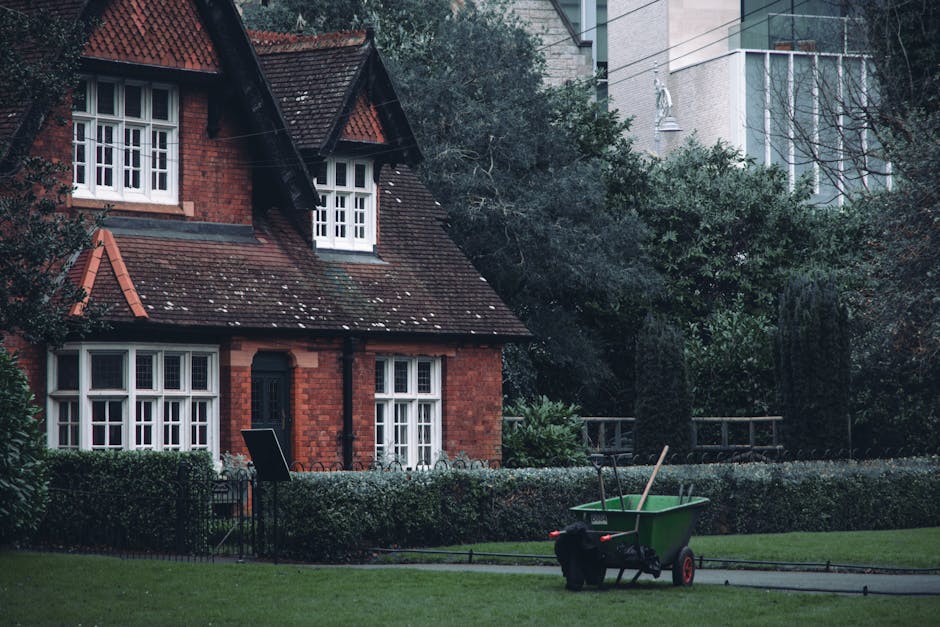
If you own a home in Great Cornard, you already know the garden can be one of the best parts of the property, and one of the easiest parts to let slip. Weather, hedges, lawns, weeds, and seasonal jobs all stack up quickly. Gardening services for Great Cornard properties near Sudbury are there to keep things manageable, presentable, and genuinely enjoyable rather than a source of weekend stress.
Whether you need regular upkeep, a one-off tidy-up, or help turning a patchy outdoor space into something more usable, the right service can make a noticeable difference. This guide walks through what these services usually involve, how they work, who they suit, and what to look for before you book anything. Simple enough, but worth getting right.
For readers who want a broader overview of available work, the services overview is a useful starting point, while the company's about us page helps explain the team behind the work. If you are already comparing options, the practical detail below should help you make a calmer, better decision. And yes, a calmer garden decision is a real thing.
Why Gardening services for Great Cornard properties near Sudbury Matters
Great Cornard has a mix of property types, from family homes with modest lawns to larger plots, newer developments, and gardens that have simply grown faster than the owner had time for. That variety is exactly why gardening support matters. One garden might need weekly mowing and edging; another might need hedges cut back, borders reworked, and a full garden clearance after months of neglect.
Local conditions matter too. In the Sudbury area, gardens can go from looking tidy to unruly surprisingly quickly once spring growth kicks in. Then autumn brings leaf fall, damp growth, and slippery paths. Add busy work schedules, school runs, or mobility limitations, and the job becomes less about "fancy gardening" and more about keeping the place safe, tidy, and functional.
There is also the simple property value angle. A cared-for front garden improves the first impression of a home. A usable back garden improves day-to-day life. Neither needs to be perfect. It just needs to feel looked after. That subtle difference is often what turns a space from "a chore" into "a place you want to sit with a cup of tea."
Expert summary: for Great Cornard properties, gardening services are most valuable when they are tailored to the garden's size, condition, and season. The best outcomes usually come from consistent maintenance rather than occasional rescue work - though rescue work has its place too.
If your garden is overdue for a reset, a dedicated garden clearance service can remove the clutter before a maintenance plan takes over. That is often the cleanest way to start.
How Gardening services for Great Cornard properties near Sudbury Works
In practical terms, the process is usually straightforward. You contact the provider, explain what the garden needs, and arrange either a quote or an assessment. From there, the work is shaped around what is actually there, not what a generic checklist says should happen. That sounds obvious, but many garden jobs go wrong because someone tries to treat every plot the same.
A normal service visit may include mowing, border tidying, hedge trimming, weed control, pruning, leaf clearance, pressure-washed paths where appropriate, or disposal of green waste. Some properties need one-off help after a long period without maintenance. Others benefit from a recurring schedule so the garden never reaches that "oh no, where do we start?" stage.
The work itself often falls into two broad categories:
- Routine maintenance: regular visits to keep growth under control and the garden presentable.
- Improvement work: bigger tasks such as shaping beds, clearing overgrowth, or improving a tired layout.
For example, one Great Cornard homeowner might want a fortnightly lawn cut in summer and a hedge trim a few times a year. Another might need a one-off tidy before moving house or after winter. Different goals, different rhythm. That flexibility is the point.
If you are comparing ongoing care options, garden maintenance is the service most people choose for repeat visits, while lawn mowing is the simplest way to keep grass under control without taking over your own weekends.
Key Benefits and Practical Advantages
The obvious benefit is a tidy garden. But there is a bit more to it than that. Good gardening work changes how you use the space, how safe it feels, and how much mental energy it consumes. Truth be told, a messy garden is one of those things that quietly nags at you every time you look out the back window.
- Less stress: the job stops hanging over you.
- Better kerb appeal: useful if you are selling, letting, or just want the place to look cared for.
- Improved safety: overgrown paths, hidden debris, and awkward branches can become hazards.
- Healthier growth: correct cutting and pruning support stronger plants and cleaner structure.
- More usable outdoor space: a cleared and managed garden is easier to enjoy with children, guests, or pets.
There is also a practical time-saving benefit. Many homeowners in Great Cornard can handle small tasks themselves, but once the garden needs several jobs at once, the time burden grows quickly. A professional team can complete in a couple of hours what might otherwise take a full day, especially if the job involves heavy waste or awkward access.
And let's face it, ladders, hedge trimmers, and wet grass are not always a cheerful combination. Some jobs are just better left to people who do them every week.
Who This Is For and When It Makes Sense
Gardening services are not only for large homes or people who have let everything get out of hand. They make sense for a surprisingly wide range of property owners and situations.
Homeowners with busy schedules
If you are working long hours, commuting, or juggling family life, routine garden care often becomes the first thing to slide. A regular visit keeps things from snowballing.
Older residents or anyone with mobility limits
Some tasks are simply harder when bending, lifting, or repeated pushing becomes uncomfortable. A little outside help can make the garden feel accessible again rather than frustrating.
People preparing to sell or rent
Presentation matters. A neat lawn, trimmed hedge, and cleared borders help a property feel more cared for, which can make viewings easier to manage.
New homeowners
Sometimes the garden comes with the house, but not the history. If you have just moved in and inherited a wild patch, a clear-out followed by maintenance is often the cleanest route.
Landlords and property managers
Tenanted homes need regular outdoor upkeep too. A garden left unmanaged can quickly create complaints or return-to-let issues. For that reason, many landlords treat outdoor maintenance as part of the property's basic condition.
If you are unsure whether your garden needs a one-off tidy or an ongoing plan, start by looking at growth rate, access, and how quickly the garden gets messy again after a clean-up. That usually tells you more than the calendar does.
Step-by-Step Guidance
Here is a simple way to approach gardening services without overcomplicating it. A good process tends to produce a better result, and fewer awkward surprises.
- Walk the garden first. Note the obvious issues: long grass, hedge lines, weeds, dead plants, overhanging branches, waste piles, broken edging, or slippery surfaces.
- Decide the outcome you want. Do you want a quick tidy, a full reset, or an ongoing maintenance routine? Those are very different jobs.
- List the priority tasks. For example: lawn cutting, hedge trimming, border weeding, leaf clearance, or clearing access paths.
- Ask how waste will be handled. Green waste removal is often a deciding factor. It can save time and, frankly, a lot of mess in the boot of your car.
- Check access and timing. Side gates, locked sheds, parking, and neighbours all matter. A tidy plan beats a rushed one.
- Choose the right service mix. A one-off visit might include clearance and hedge work. Ongoing care could focus on mowing and seasonal tidying.
- Review the result and adjust. After the first visit, see what still feels rough. A good service should get easier to fine-tune, not harder.
If your garden has become overgrown, start with the biggest visual blockers first. In many cases, that means grass, hedge lines, and clutter. Once those are sorted, the space suddenly feels manageable again. Funny how that works.
Expert Tips for Better Results
Small decisions often make the biggest difference. In our experience, people get better results when they focus on consistency, clarity, and realistic expectations rather than trying to do everything in one go.
- Don't wait for a "perfect" time of year. Gardens respond to action, not intentions. If it needs help now, now is usually the right time.
- Separate maintenance from improvement. A cut and tidy is not the same as a redesign. Mixing them can muddy the brief.
- Trim with structure in mind. Hedges and shrubs look better when they are shaped gradually rather than hacked back all at once.
- Keep waste in mind early. The neatest job can still feel unfinished if cuttings are left piled up.
- Think in seasons. Spring growth, summer mowing, autumn leaf management, and winter tidy work all need different pacing.
One useful habit is to take a quick photo of the garden before and after your first service. Not for social media, obviously. Just for comparison. It helps you see what changed and what still needs attention. Sometimes the biggest improvement is easy to miss if you are looking at the space every day.
If you have features such as decking, paths, or terraced areas, it can also help to think about the garden as a whole. A tidy lawn beside a neglected hardscape still feels unfinished. For outdoor structure and usable surfaces, decking services and wider landscaping can complement routine care nicely.
Common Mistakes to Avoid
Garden work sounds simple until the details start piling up. A few easy-to-miss mistakes can cost time, money, or a lot of frustration.
- Booking the wrong type of service. A maintenance visit will not solve a full clearance problem, and a clearance visit will not keep things neat for long.
- Ignoring access issues. Narrow side entrances, steep steps, and locked gates can affect the time and equipment required.
- Letting hedges get too large between trims. The bigger the delay, the bigger the job. Obvious, but still missed all the time.
- Assuming all green waste is the same. Thick branches, ivy, and soft cuttings are not handled in quite the same way.
- Over-pruning at the wrong time. Some plants cope better than others. Heavy-handed cuts can leave gaps or weak regrowth.
- Trying to compare quotes on price alone. A cheap quote can hide rushed work, limited waste removal, or poor communication.
Another common issue is vague scope. If you say "just tidy it up," the result may not match what you had in mind. Be specific. Even a rough list helps: front lawn, rear hedge, weeds in the beds, dead branches, path edges. Clear instructions save awkwardness later.
Tools, Resources and Recommendations
Most homeowners do not need a shed full of kit. But it helps to understand what a professional gardening service may use, because it tells you something about the quality and scope of the work.
| Task | Typical equipment | Why it matters |
|---|---|---|
| Lawn mowing | Rotary or cylinder mower, strimmer, edging tools | Produces a cleaner finish and handles awkward corners |
| Hedge trimming | Hedge trimmer, hand tools, safety equipment | Helps shape growth evenly and reduce ragged edges |
| Garden clearance | Heavy-duty bags, wheelbarrow, cutting tools, waste removal support | Makes overgrown or cluttered spaces manageable |
| Border and bed work | Hand fork, weeding tools, secateurs, mulch materials | Useful for detail work and healthier planting areas |
| Tree work | Specialist cutting equipment, protective gear, controlled removal methods | Important where branches are large, high, or awkwardly placed |
For recurring outdoor care, the most practical recommendation is usually to begin with a baseline tidy-up, then move into maintenance. That way the garden is not being "maintained" while still technically in rescue mode. A lot of people try to skip that first step and end up paying twice in effort, which is never ideal.
It may also help to read through the provider's recycling and sustainability approach if you care about how green waste and materials are handled. That does not need to be the deciding factor, but it is a sensible one to check.
Law, Compliance, Standards, or Best Practice
For most domestic gardening work in Great Cornard, the focus is less about formal regulation and more about sensible best practice. That said, safety and responsible handling still matter. A proper service should be mindful of tool safety, waste handling, neighbour considerations, and any work that could affect structures, fences, or shared boundaries.
If a job involves tree work, particularly larger branches or removals, the risk profile changes. Basic hedge trimming is one thing; work at height, near power lines, or involving unstable wood is another. In those situations, it is reasonable to expect careful planning, appropriate equipment, and clear communication about what is safe to do.
Insurance is another practical point. You are not being difficult by asking about it. You are being sensible. If equipment slips, a window breaks, or a fence panel is damaged during the job, everyone is better off if the service is properly covered. The same goes for general site awareness and safe working practices, which are usually outlined in a provider's insurance and safety information and health and safety policy.
Clear terms also matter. You want to know what is included, how waste is dealt with, what happens if weather interrupts a visit, and how payment is handled. That sort of clarity avoids the tiny misunderstandings that somehow become big ones. If you like to know the ground rules upfront, the terms and conditions and payment and security information are worth reviewing before you commit.
Options, Methods, or Comparison Table
Choosing the right gardening support is easier if you compare the main approaches side by side. Not every garden needs the same level of help, and not every homeowner wants the same arrangement.
| Option | Best for | Strengths | Trade-offs |
|---|---|---|---|
| One-off tidy-up | Overgrown or neglected gardens | Fast reset, immediate visible improvement | Does not prevent regrowth without follow-up |
| Regular maintenance | Busy households and rental properties | Keeps the garden under control all year | Requires a recurring budget and schedule |
| Seasonal visits | Gardens that change with the seasons | Flexible and cost-conscious | Less consistent than regular care |
| Project-based landscaping | Gardens needing a layout change | Improves structure, flow, and usability | Usually more involved than simple maintenance |
The practical answer for many Great Cornard homes is a combination: one larger initial job, then lighter maintenance after that. If the space needs more than a tidy-up, landscape gardening may be the better route, especially where borders, levels, or access need rethinking. For bigger structural changes, landscape gardening and landscaping often work hand in hand.
Case Study or Real-World Example
Picture a semi-detached property in Great Cornard with a front lawn, a narrow side path, and a back garden that has been quietly taking over since spring. Nothing dramatic, just the sort of space that becomes more intimidating each week you leave it. The hedge has grown soft and lopsided, the lawn is too long to cut neatly in one pass, and the borders have gone wild enough to hide the path edge.
The first visit focuses on the reset: cut back the hedge, clear the lawn, remove dead material, open up the path, and take away the waste. Once the space is visible again, the owner can actually use it. A second, lighter visit every few weeks keeps the grass and hedge from reaching that same point again. Not glamorous, but very effective.
What changed most was not just the look of the garden. It was how the owner felt about it. They stopped avoiding the back door. That is a small thing, but a real one. A garden you can walk into without sighing is a better garden, even if there are still a few weeds left to sort out.
In situations like this, a combination of garden clearance and ongoing garden maintenance is often the most sensible route. If the lawn is the main issue, adding lawn mowing to the plan makes the whole thing feel much more manageable.
Practical Checklist
Use this quick checklist before booking or planning work. It helps keep the conversation focused and saves time on both sides.
- Identify the main problem areas: lawn, hedge, borders, trees, waste, access paths.
- Decide whether you need a one-off visit or repeat maintenance.
- Measure, or at least estimate, how much of the garden is involved.
- Note any access issues, locked gates, parking limits, or narrow passages.
- Think about whether green waste needs to be removed.
- Ask what is included in the price and what is not.
- Check whether the work touches trees, structures, or anything near boundaries.
- Review the provider's safety, insurance, and terms information.
- Be clear about your end goal: tidy, safe, usable, or redesigned.
- Set a follow-up rhythm if the garden tends to grow fast.
Useful short rule: if you cannot describe the job in one minute, it probably needs a more detailed brief. Nothing wrong with that. It just means the garden has a bit more going on.
Conclusion
Gardening services for Great Cornard properties near Sudbury are at their best when they are practical, local, and tailored to what the garden actually needs. Some homes need regular mowing and hedge trimming. Others need a reset after a long stretch of neglect. A few need help turning an awkward outdoor space into something calm, clean, and usable. Most gardens are somewhere in between.
The main thing is not to wait until everything feels overwhelming. A small amount of professional help at the right time can save a great deal of effort later. It can also make the garden feel like part of the home again, rather than a separate job you keep meaning to tackle. That shift matters more than people expect.
If you are ready to take the next step, start with a clear idea of the outcome you want and choose the service that matches it. If you need guidance on what is available, the services overview is a sensible place to begin, and the team's contact page is there when you are ready to talk things through.
Get a free quote today and see how much you can save.
Sometimes the best garden improvement is simply getting back to a space that feels easy to live with. That, honestly, can be a lovely change.
Frequently Asked Questions
What do gardening services for Great Cornard properties near Sudbury usually include?
They often include lawn mowing, hedge trimming, weed control, border tidying, pruning, leaf clearance, and removal of green waste. The exact mix depends on the condition of the garden and whether you want a one-off job or regular visits.
How often should a garden in Great Cornard be maintained?
It depends on growth, layout, and how much you use the space. Many gardens benefit from regular summer visits and lighter seasonal work in autumn and winter. A fast-growing hedge or lawn may need more frequent attention.
Is a garden clearance the same as garden maintenance?
No. Garden clearance is usually for overgrown, cluttered, or neglected areas that need a reset. Garden maintenance is the ongoing work that keeps the space in good shape after that first tidy-up.
Can I book just lawn mowing without a full gardening package?
Yes, lawn mowing can be a standalone service if the grass is the main issue. That said, many homeowners eventually add edging, weeding, or hedge care because the lawn looks better when the rest of the space is not fighting it.
What should I ask before hiring a gardener?
Ask what is included, how waste is removed, whether the team is insured, how access is handled, and whether the quote covers the whole job or just part of it. Clear answers early on save confusion later.
Do gardening services help with overgrown hedges?
Yes, hedge trimming is one of the most common requests. It is especially useful when hedges are blocking light, leaning into paths, or starting to look untidy at the boundaries.
What if my garden is too overgrown to tackle in one visit?
That is common. A good approach is to split the work into stages: first clearance, then structure, then maintenance. That is usually easier, safer, and more affordable than trying to force everything into a single session.
Are tree-related jobs part of regular gardening?
Sometimes, but not always. Smaller pruning may be included, while larger or higher-risk work is usually treated separately. If a tree is large, unstable, or awkwardly placed, it is worth checking what the provider can safely handle.
How do I know whether I need landscaping or simple maintenance?
If the garden mostly needs regular care, maintenance is probably enough. If the space has poor flow, awkward levels, worn surfaces, or structural issues, landscaping or landscape gardening may be the better fit.
What is the biggest mistake homeowners make with garden services?
The biggest one is under-specifying the job. Saying "tidy it up" sounds easy, but it can mean very different things to different people. A short list of priorities gives much better results.
Can professional gardening help improve kerb appeal before selling a house?
Absolutely. A clean lawn, trimmed hedge, and well-kept front garden help a property feel cared for straight away. It is one of the simplest ways to improve first impressions without a large renovation.
Where can I learn more about service details, pricing, and company policies?
Helpful starting points include the pricing and quotes page, plus the company's health and safety policy and insurance and safety information. Those pages are useful if you want a more practical sense of how the service is handled.