Garden maintenance for Market Hill Sudbury homes

If you live in Market Hill, Sudbury, you already know a garden can look glorious one week and a bit tired the next. A patch of shade changes, a wet spell rolls in, the lawn starts to sulk, and suddenly the whole space feels more work than reward. That is exactly where Garden maintenance for Market Hill Sudbury homes becomes less of a luxury and more of a sensible routine.
This guide walks through what regular maintenance actually involves, why it matters in a local setting, how to approach it without overcomplicating things, and what to look out for if you want reliable results rather than the usual weekend scramble. We will keep it practical, local, and honest. No fluff. Just the sort of detail that helps you make better decisions for your outdoor space.
Why Garden maintenance for Market Hill Sudbury homes Matters
Garden maintenance is not just about keeping things neat. For homes around Market Hill, it often affects how the whole property feels day to day. A well-kept garden makes a house look cared for from the pavement, but it also protects planting, improves usability, and stops small problems becoming bigger and more expensive. A missed hedge trim is one thing. A hedge left too long, blocking light and swallowing paths, is another.
Sudbury gardens can see a proper mix of conditions through the year: damp spells, dry stretches, strong sun, and those awkward shoulder seasons when everything grows at a slightly unfair pace. That means local gardens benefit from maintenance that is regular, not just reactive. Let's face it, gardens do not send polite reminders. They just grow.
In a busy household, a low-maintenance plan can be the difference between enjoying the garden and feeling permanently behind on it. This is especially true if you use the space for children, pets, outdoor meals, or simply a quiet cuppa after work. You want the garden to feel ready, not like another job waiting at the back door.
Practical takeaway: Consistent garden care usually saves time later. Little jobs done at the right moment often prevent bigger jobs from landing all at once.
How Garden maintenance for Market Hill Sudbury homes Works
At its simplest, garden maintenance is a repeating cycle: assess, tidy, prune, feed, water, and review. The exact mix depends on the garden, but the principle stays the same. You are keeping growth in balance while protecting the health and appearance of the space.
For most homes, maintenance falls into a few core tasks:
- Lawn care: mowing, edging, feeding, aerating, and scarifying where needed.
- Border care: weeding, mulching, deadheading, dividing, and seasonal planting.
- Hedge and shrub control: trimming, shaping, and removing dead or crossing growth.
- Path and patio upkeep: clearing moss, leaves, and debris so surfaces stay safe and usable.
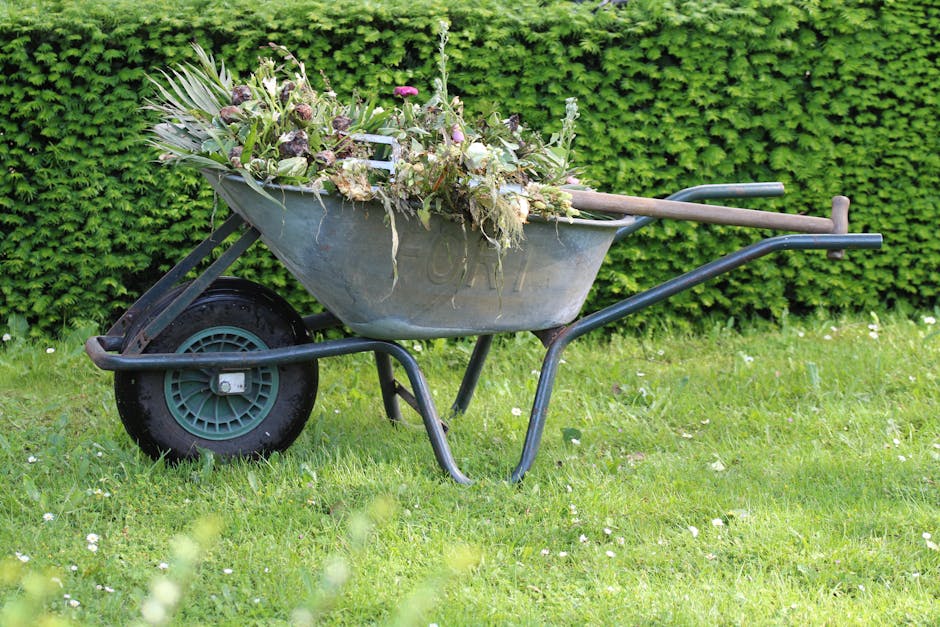
- Waste management: collecting green waste responsibly and keeping the space clean.
In practice, good maintenance is about timing. A light spring tidy, regular summer attention, and a more restorative autumn reset often work better than one huge clear-up. You might spend half an hour every fortnight on small tasks and avoid a full-day rescue mission later. That is the dream, really.
If you are comparing professional help, it is sensible to look at the full scope of service rather than only the headline tasks. The page on services overview is a useful place to understand how a wider maintenance plan can be structured. If you are weighing value, pricing and quotes will help you think about what level of service suits your garden and budget.
Key Benefits and Practical Advantages
The benefits of regular garden maintenance are easy to say and sometimes surprisingly hard to overstate. It makes the garden look better, yes, but the real value is often practical. Better plant health, lower risk of damage, improved drainage, fewer pests hiding in neglected corners. And, of course, less stress for you.
1. Better curb appeal and first impressions
Most people notice the front garden first. Even a modest space can make a home look sharper if the lawn is tidy, the edges are crisp, and the planting looks intentional. That matters whether you are welcoming visitors or simply want to feel a bit more pleased when you pull into the drive.
2. Healthier plants and lawns
Regular pruning, weeding, feeding, and watering support steady growth. Plants do not thrive when crowded, starved, or left to compete with weeds. A healthy garden is usually a managed one, not an untouched one.
3. Less time spent on big recovery jobs
Truth be told, most garden "disasters" are just maintenance jobs that got postponed. A fortnight of neglect can turn into a messy Saturday. A season of neglect can turn into a much bigger reset.
4. Safer, more usable outdoor spaces
Paths covered in moss, overgrown shrubs, and unstable edges can make a garden awkward to walk through. Good maintenance keeps routes clear and outdoor areas genuinely usable.
5. More control over cost
Staying on top of the small jobs often reduces the need for major one-off interventions. That does not mean every garden becomes cheap to maintain, but it does make expenses more predictable.
| Maintenance approach | What it usually looks like | Best for | Trade-off |
|---|---|---|---|
| Light regular upkeep | Frequent mowing, weeding, pruning, and tidy borders | Busy homes wanting a consistently neat garden | Needs discipline and continuity |
| Seasonal maintenance | Spring and autumn tidy-ups with ad hoc visits | Smaller gardens or less-used spaces | Can feel reactive in peak growth periods |
| Restoration-style maintenance | Heavier clearance, shaping, and reset work | Overgrown or neglected gardens | More time and cost upfront |
Who This Is For and When It Makes Sense
Garden maintenance for Market Hill Sudbury homes suits a wide range of households, but it is especially useful if one of these sounds familiar:
- You like the idea of a nice garden but do not have time to stay on top of it.
- Your garden grows quickly and looks tidy only for a short window after you work on it.
- You have shrubs, hedges, or lawn areas that need routine care rather than occasional attention.
- You are preparing a property for sale or letting and need it to present well.
- You have physical limitations, a busy work pattern, or simply no appetite for constant weekend chores.
- You want a safer, cleaner, more manageable outdoor space for children, pets, or guests.
It also makes sense if the garden has started to feel a bit too much. That is a common tipping point. You look outside, see the same weeds, the same hedge, the same patchy lawn, and think, "Right, I need a proper plan." Sensible, not dramatic.
Some homeowners prefer a full-service approach, while others just need help with the jobs that are awkward, heavy, or seasonal. If you are unsure, it can help to speak to a local team via the contact page and describe what is actually happening in the garden, rather than using generic phrases like "needs a tidy." A photo or two usually helps as well.
Step-by-Step Guidance
If you want a garden maintenance routine that works without becoming a second job, start with a simple structure. You do not need to do everything at once. In fact, trying to do everything at once is often how people end up avoiding it altogether. Been there, frankly.
Step 1: Walk the garden and note priorities
Begin with a short walk around the space. Look for overgrown edges, weeds, lawn condition, dead plants, low-hanging branches, blocked paths, and anything that feels unsafe or messy. Make a quick list rather than trying to remember it all.
Step 2: Sort jobs by urgency
Some things need doing now, others can wait. A broken branch near a walkway is urgent. A slightly untidy border can wait a week or two. Sorting jobs this way helps avoid panic and wasted effort.
Step 3: Tackle growth and safety first
Clear access routes, cut back anything obstructing steps or doors, and remove debris. That creates room to work and makes the garden feel instantly calmer. You will notice the difference straight away.
Step 4: Move on to shaping and grooming
Prune shrubs lightly, trim hedges carefully, edge lawns, and deadhead tired flowers. This is the stage where the garden starts to look controlled rather than merely cleared. It is a good feeling, to be fair.
Step 5: Feed, mulch, and water where needed
Once the area is tidy, support plant health. Feed lawns if appropriate for the season, add mulch to borders to suppress weeds and retain moisture, and water new or stressed planting. Do not overdo it. Too much water can cause its own problems.
Step 6: Set a maintenance rhythm
The garden will keep growing, so the plan must keep moving too. Weekly, fortnightly, or monthly rhythms can all work depending on the size and type of garden. A routine beats a rescue mission every time.
- Check lawn and borders weekly in the growing season.
- Trim or deadhead as needed rather than letting it all build up.
- Review seasonal jobs at the start of spring, summer, autumn, and winter.
- Book heavier tasks before they become awkward or unsafe.
Expert Tips for Better Results
A few small choices make a big difference over time. These are the things experienced gardeners tend to do almost without thinking, because they know where the trouble starts.
Use lighter, more frequent cuts
With hedges and shrubs, little and often usually works better than occasional hard cutting. It keeps the garden looking neat and reduces stress on the plant. You also avoid that blunt, hacked-back look that never quite recovers gracefully.
Keep an eye on moisture, not just appearance
Plants can look fine and still be struggling underneath. During dry spells, check soil moisture below the surface rather than trusting the top layer. Topsoil dries fast; roots need more than that.
Mulch at the right time
Mulch helps reduce weeds and hold moisture, but timing matters. Put it down after weeding and when the soil is in a good condition, not over compacted or waterlogged. A good mulch layer can save a lot of work later.
Respect the shape of the garden
Not every garden wants the same style. Some look best soft and natural; others need crisp lines and neat structure. The best maintenance respects the garden's character instead of forcing a one-size-fits-all finish. Gardens have moods, oddly enough.
Plan around the local season
In Sudbury, the rhythm of the year matters. Spring growth can explode. Summer dry spells can stress lawns. Autumn leaf fall creates hidden slip and smothering risks. Winter is often the best time to assess structure and prepare for the next cycle. You do not need a perfect plan, just a flexible one.
Common Mistakes to Avoid
Most garden maintenance problems are very fixable. The trouble is, they often start with ordinary habits that seem harmless at the time.
- Leaving everything until it feels overwhelming. A small task ignored is still a task, just a larger and grumpier one later.
- Cutting too much at once. Heavy pruning at the wrong time can weaken plants or spoil the shape for a full season.
- Ignoring lawn edges and corners. A neat centre with scruffy edges still looks untidy.
- Using the wrong tool for the job. Dull blades and blunt strimmers can tear rather than cut, which is rough on both plants and finish.
- Forgetting drainage and debris. Leaves, moss, and compacted soil can quietly create problems that spread.
- Trying to maintain a garden as if every section needs the same frequency. Sunny borders, shaded areas, and lawns usually need different treatment.
One of the more common mistakes is assuming a garden only needs attention when it looks bad. In reality, by the time it looks bad, the maintenance is often already overdue. Slightly annoying, but true.
Tools, Resources and Recommendations
For homeowners doing some of the work themselves, simple reliable tools matter more than a garage full of gear. You do not need everything. You need the right basics, maintained well.
Useful tools for routine upkeep
- Sharp secateurs for light pruning and deadheading
- Hand shears for trimming soft growth
- A mower suitable for the size of the lawn
- Rake for leaves, grass clippings, and general tidying
- Spade or border fork for edging and soil work
- Weed removal tools for paths and borders
- Gloves, sturdy footwear, and eye protection where needed
What to look for in a maintenance provider
- Clear understanding of your garden's current condition
- Practical recommendations, not vague promises
- Evidence that the team takes health and safety seriously
- Transparent pricing and a sensible approach to scheduling
- Waste handling and recycling that feels responsible
If sustainability matters to you, it is worth reviewing a provider's approach to green waste and materials. The recycling and sustainability page gives a useful sense of how waste and environmental considerations can be handled as part of the service, rather than as an afterthought.
For broader reassurance, some homeowners also like to understand how a business handles security, payments, and working practices. That is fair enough. A little trust goes a long way when someone is working at your home. You can review the company's insurance and safety information and, if you want to understand their general standards, the about us page can be helpful too.
Law, Compliance, Standards, or Best Practice
Garden maintenance for private homes is usually straightforward, but there are still sensible standards to follow. If a task involves ladders, power tools, heavy lifting, or work near boundaries and access points, it should be carried out carefully and in line with normal UK safety expectations. No drama, just good practice.
Homeowners should also think about environmental responsibilities, especially when disposing of green waste, handling chemicals, or managing run-off. Even when something is allowed, it may not be the best choice for a garden or a neighbour. A tidy boundary is good; a tidy relationship with next door is better.
If you are hiring someone, it is wise to check the basics: whether the work is insured, whether risk is considered before work starts, and whether the provider communicates clearly about the job. The health and safety policy can show whether a company takes these responsibilities seriously. For service expectations, payments, and the practical side of arranging work, it can also help to review payment and security and terms and conditions.
Best practice is really just a mix of common sense and consistency. Use the right tools, avoid rushed cuts, keep routes clear, and do not treat a garden like a place where rules do not matter. It does matter. A garden is still part of a home.
Options, Methods, or Comparison Table
There is no single right way to maintain a garden. The best approach depends on time, budget, garden size, and how polished you want the result to be. Here is a simple comparison to help clarify the trade-offs.
| Approach | Typical effort | Best when | Main downside |
|---|---|---|---|
| DIY only | High, ongoing | You enjoy gardening and have time | Can become inconsistent |
| Occasional help | Moderate | You can manage lighter jobs yourself | Large jobs still build up |
| Regular maintenance service | Low from the homeowner | You want consistent results year-round | Higher recurring cost |
| One-off restoration | Very high at first, then variable | The garden has become overgrown | Not a long-term fix on its own |
For many Market Hill homes, a mixed approach works best: some light DIY, supported by professional help for the labour-heavy or technical work. That way you keep control without turning your weekends into an endless list of chores. Nice balance, if you can get it.
Case Study or Real-World Example
Here is a realistic example. A homeowner in Market Hill had a front garden that looked fine from a distance, but up close it was doing that familiar slow-slide into untidiness. The hedge had grown wider than intended, the lawn edges were soft and uneven, and the back border had become a tangle of weeds, faded stems, and a few stubborn self-seeded plants that had long overstayed their welcome.
Nothing dramatic. Just a bit too much left for later.
The first visit focused on clearing access, removing dead growth, and re-establishing the shape of the hedge and borders. After that, the maintenance rhythm shifted to lighter, regular attention: edging, pruning, weed control, and seasonal tidying. The result was not a "new garden" in the artificial sense. It was the same garden, just readable again. You could see the structure. You could enjoy it. That matters more than perfection.
The real win was not cosmetic alone. Once the routine was set, the homeowner stopped needing occasional rescue jobs and started needing only manageable, planned maintenance. That is usually the sweet spot.
Practical Checklist
Use this checklist if you want to keep your garden under control without overthinking it.
- Walk the garden and note the areas that need attention most.
- Check lawn height, edge definition, and patchy areas.
- Remove weeds before they seed or spread.
- Trim hedges and shrubs lightly rather than heavily and rarely.
- Clear leaves, debris, and anything blocking paths or drains.
- Deadhead tired flowers and cut back spent growth.
- Inspect for pest damage, disease, or rot.
- Water new or stressed plants sensibly, especially in dry spells.
- Add mulch where borders need weed suppression and moisture retention.
- Schedule the next maintenance session before the garden runs away from you.
Quick reminder: if the garden feels too far gone, start with the visible mess first. A cleared path and a trimmed edge can change how the whole place feels in under an hour. Small wins count.
Conclusion
Garden maintenance for Market Hill Sudbury homes works best when it is regular, realistic, and tuned to the space you actually have. Not a fantasy garden. Not a magazine cover. Just a garden that looks cared for, feels easy to use, and does not demand all your free time.
The most reliable results usually come from steady routines, sensible seasonal timing, and a clear plan for the jobs you do not want to handle yourself. If you are deciding whether to get help, or simply want a more manageable setup, the next step is often easier than people expect. A proper conversation, a quick review of what needs doing, and a clear quote can make the whole thing feel less daunting.
Get a free quote today and see how much you can save.
And if you are ready to understand the team behind the service before moving ahead, you can also take a look at the about us page or head straight to contact us. Sometimes the simplest next step is the right one.
Frequently Asked Questions
What does garden maintenance usually include for Market Hill homes?
It usually includes lawn mowing, edging, weeding, hedge trimming, pruning, border tidying, clearing debris, and seasonal tasks such as leaf clearance or light planting support. The exact mix depends on the garden's size and condition.
How often should a garden be maintained?
For most gardens, weekly or fortnightly attention works well during the growing season, with less frequent visits in winter. Fast-growing hedges, lawns, and borders may need more regular care.
Is professional garden maintenance worth it for a small garden?
Yes, if the space still eats into your time or has awkward jobs like hedge trimming, pruning, or waste removal. Small gardens can still be surprisingly demanding, especially when growth picks up.
Can garden maintenance help improve property appearance?
Absolutely. A tidy lawn, clear borders, and controlled growth make a strong first impression. For many homes, the garden is one of the quickest ways to improve how the property feels overall.
What is the difference between garden maintenance and garden clearance?
Maintenance is ongoing care to keep the garden in good condition. Clearance is a heavier one-off job, usually used when the space has become overgrown or cluttered and needs resetting.
How do I know if my garden needs a seasonal tidy-up?
If leaves, dead growth, weeds, or untrimmed hedges are starting to affect access or appearance, it is probably time. Seasonal changes often reveal what has been quietly building up for weeks.
Do I need regular maintenance all year round?
Not always, but gardens do benefit from attention throughout the year. The type of work changes by season, so winter may focus on structure and tidying, while spring and summer focus more on growth control.
What should I ask before booking a garden maintenance service?
Ask what tasks are included, how often visits are recommended, whether waste removal is handled, how pricing works, and whether the provider is insured. Clear answers up front usually save hassle later.
How can I keep maintenance costs under control?
Keep on top of small jobs between visits, focus on the areas that matter most, and avoid letting growth get out of hand. Regular light maintenance is usually easier on the budget than large recovery work.
What should I do if the garden is already overgrown?
Start with a one-off clearance or reset, then move into a regular maintenance schedule. Trying to maintain a badly overgrown garden without first reducing the volume of work can feel impossible.
Are there safety issues I should think about?
Yes. Ladders, sharp tools, uneven ground, and hidden debris can all create risk. If a job involves height, heavy cutting, or awkward lifting, it is worth handling it carefully or getting help from someone experienced.
How do I choose between DIY and professional help?
Choose DIY for lighter jobs you enjoy and can keep up with. Choose professional help when the work is repetitive, physically demanding, seasonal, or simply taking too much of your time. Many people use a mix of both.
If you want to explore what the service can cover in more detail, it is worth reviewing the services overview and the practical details around pricing and quotes. A little clarity now saves a lot of guesswork later.